The foreskin will not slide fully back over the glans, it feels tight, maybe it even tears slightly during sex: this is called a tight foreskin or phimosis. Many people find the topic awkward, yet it is widespread and in most cases treatable. Until the cause is clear, a gentle water-based lube and a well-fitting condom help keep extra friction away. This article gives you an overview and does not replace seeing a doctor: whether and how it is treated is for a urologist to decide.

🔎 What happens with phimosis
With phimosis, the opening of the foreskin is too narrow to pull it back behind the glans without pain. Sometimes this only affects the erect penis, sometimes the flaccid one as well. In boys, a tight foreskin is normal at first: it starts out attached to the glans and often only separates during childhood or by puberty. Forcing it back does more harm than good.
In adults, a narrowing usually has a trigger. Often it is small tears that scar as they heal and make the skin less stretchy. Recurring inflammation of the glans and foreskin or skin conditions such as lichen sclerosus are also possible causes. Only an examination can tell which one applies.
🚦 What can wait and what cannot
Not every tight foreskin is an emergency. This overview helps you sort it out:
| Sign | What it means |
|---|---|
| Foreskin feels tight during erection, no other complaints | Not an emergency, but mention it at your next appointment |
| Recurring small tears during sex | Get it checked soon, take a break until then |
| Redness, burning, discharge under the foreskin | See a doctor soon, this may be an inflammation |
| Whitish, parchment-like skin on the foreskin | Have it checked, do not treat it yourself |
| Foreskin balloons when you pee | Get it examined soon |
| Retracted foreskin constricts, glans swells | Emergency: get medical help or go to A&E right away |
The last point is called paraphimosis. The tight foreskin gets stuck behind the glans, blocks the blood flow and makes the glans swell. It needs quick help. Do not try to force it back.
🩺 How phimosis is treated
The right approach depends on the cause and severity. Treatment often starts with a cortisone ointment applied over several weeks, intended to make the skin more elastic. Gentle stretching exercises under medical guidance are sometimes added. If that is not enough, there are surgical options, from widening the foreskin to partial or full circumcision. Your doctor will talk you through the pros and cons. What matters is this: phimosis is nothing to be ashamed of, and the earlier you raise it, the more options remain open.
💧 Sex with a tight foreskin
As long as the foreskin feels tight, one simple rule applies: anything that rubs or presses makes it worse. New tears often heal with scars, and scars narrow it further. These points help:
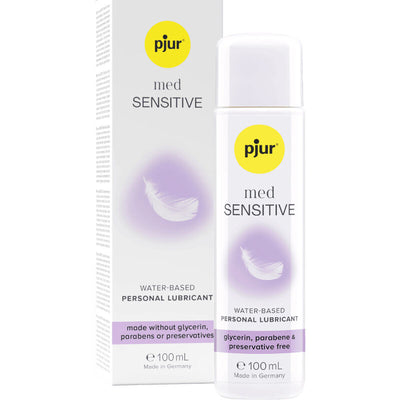
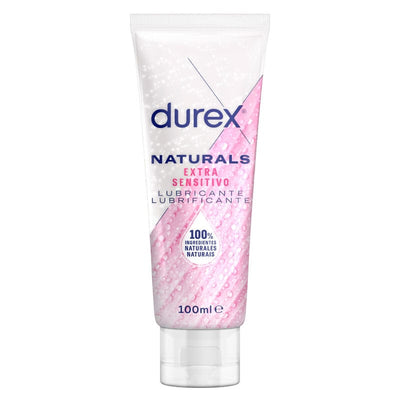
- Plenty of lube: a water-based gel without fragrance is the gentle choice. pjur med Sensitive contains no glycerin, parabens or preservatives, Durex Naturals Extra Sensitive no fragrance or colouring. Both are condom-safe. You can read more about types and compatibility in the lube guide.
- Do not force the foreskin: only pull it back as far as it goes without pain. Sex also works with the foreskin over the glans.
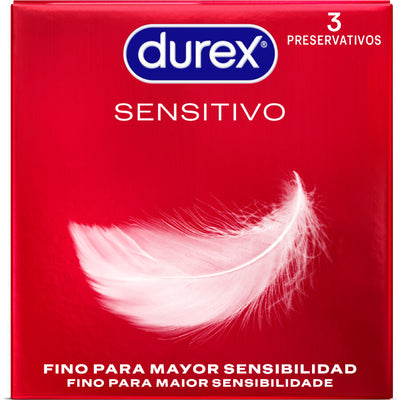
- A condom in the right size: a condom that is too tight constricts even more. The condom size guide shows you how to measure. For standard width there is, for example, Durex Sensitive thin with a nominal width of 56 mm; if that is too tight, try the wider-cut HEX Respect XL.
- No numbing products: sprays or creams that numb the skin mask pain. Here, though, pain is a warning sign that protects you from new tears.
- Take a break after tears: if the skin has torn, let it heal in peace first.
🧼 Everyday care
Lukewarm water is enough for daily hygiene. In the shower, pull the foreskin back only as far as feels comfortable, rinse gently and pat dry afterwards. Perfumed soaps and shower gels tend to irritate the sensitive skin rather than help. Tips on pH and shaving are in the article Intimate care & shaving.
❓ Frequently asked questions
🧒 Is a tight foreskin normal in children?
Yes, in the first years of life it is the rule. The foreskin usually separates on its own. If there are problems such as inflammation or difficulty peeing, the paediatrician is the right place to go.
⏳ Does phimosis go away on its own in adults?
Rarely. A scarred narrowing usually does not reverse. That is why an examination is worth it even if the complaints are minor.
💬 Should I talk to my partner about it?
It helps. If your partner knows, they can adjust pace and pressure, and sex becomes more relaxed for both of you. A short sentence is enough.
🔧 Does phimosis affect erections?
The narrowing affects the skin, not the blood flow. Pain or fear of tearing can still dampen desire, though. If this is on your mind, also read our article on erection problems.
✅ Conclusion
A tight foreskin is common and nothing to be ashamed of. In children it is normal, in adults it belongs in medical hands, and a constricted, swollen glans is always an emergency. Until treatment, gentle lube, a well-fitting condom and patience protect the skin. This article gives you orientation, it does not replace an examination.
🛒 Matching products in our shop
Want to browse straight away? Everything this article is about:
- Water-based lubricant – gentle gels that suit condoms and every skin type
- Condoms – from thin to XL, so nothing pinches
- Intimate hygiene – gentle care for the intimate area